
Meta Title: Nostalgia in Modern Graphics: Why Retro Pixel Art Returns
Table of contents4 sections
Meta Description: Explore why retro arcade graphics, pixel art and 8-bit visual aesthetics continue to dominate modern video games and digital UI design.
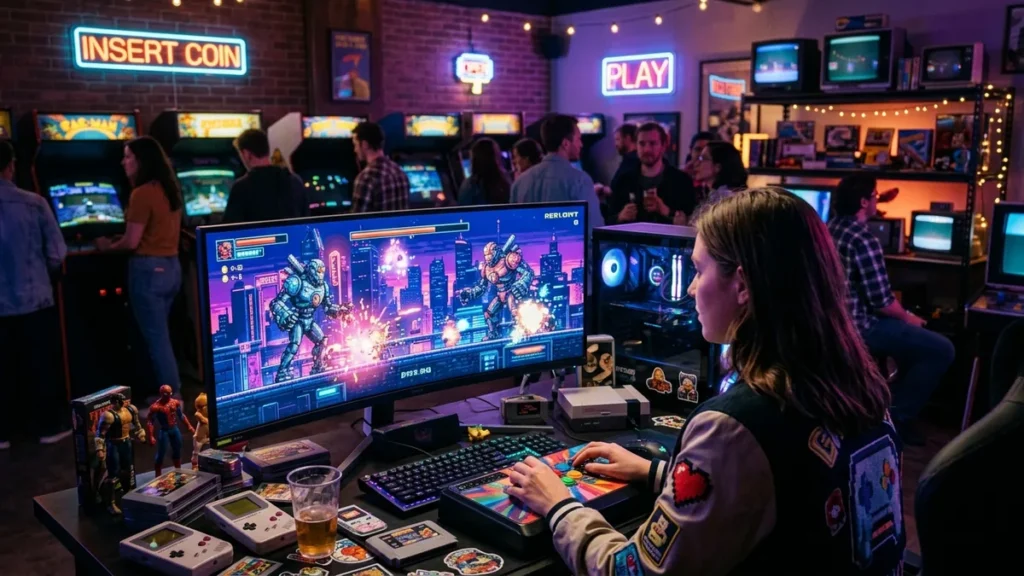
In an era where ultra-high-definition displays, real-time ray tracing and photorealistic 3D graphics dominate tech headlines, one would expect blocky 8-bit visuals and low-resolution pixel art to be distant relics of gaming history. Yet, the exact opposite is happening. Modern app stores, indie game platforms and digital media feeds are filled with vibrant pixel art, neon synthwave palettes and retro arcade aesthetics that deliberately embrace vintage visual constraints.
Photorealism vs. Retro Pixel Aesthetics
This enduring appeal goes far beyond simple technical nostalgia. Retro graphics offer clean visual clarity, timeless artistic charm and immediate readability on small smartphone screens. Whether you are using retro-styled custom sticker packs in a messaging chat, playing an indie 16-bit adventure or enjoying a classic-themed slot game on a modern platform like Gamdom, retro aesthetics prove that great visual design relies on character, color and style rather than raw polygon counts.
To understand why retro visual styles remain so popular alongside cutting-edge 3D engines, it helps to compare the design goals of photorealism against retro pixel art.
Photorealistic design attempts to mirror real-world physics and light, demanding massive computing power and intricate detail. Retro art, however, relies on abstraction, using bold pixel blocks and vibrant color schemes to suggest forms, encouraging the player’s imagination to fill in the rest.
Here is a side-by-side comparison of modern photorealistic design versus retro pixel aesthetics:
| Visual Attribute | Photorealistic 3D Design | Retro Arcade & Pixel Art Aesthetics |
|---|---|---|
| Primary Visual Goal | Recreate real-world physical detail and lighting | Express iconic character, mood and clean visual form |
| Interface Readability | Can feel cluttered or visually heavy on small displays | Exceptionally crisp, clear and readable on smartphone screens |
| Hardware Demands | Requires high-end GPUs, battery power and memory | Lightweight, fast-loading and battery-efficient performance |
| Emotional Appeal | Immersive realism and cinematic visual scale | Warm nostalgia, retro charm and timeless artistic identity |
Three Reasons Pixel Art Continues to Thrive in Modern Apps
The resurgence of retro graphics is not a temporary trend; it is a conscious design choice supported by developers and audiences alike.
By focusing on core visual hierarchy, pixel art delivers distinct user experience benefits that make modern software feel fun and accessible.
Here are three primary forces keeping retro visuals relevant today:
- Uncluttered Screen Readability: On compact mobile screens, bold pixel art icons and clean grid layouts are far easier to parse at a glance than complex 3D textures.
- Nostalgic Emotional Connection: Vibrant neon colors, 8-bit sound effects and arcade layouts trigger fond memories of early gaming, creating an instant sense of comfort and fun.
- Timeless Design Longevity: While realistic graphics often age poorly as hardware advances, carefully crafted pixel art remains visually striking indefinitely.
How Digital Entertainment Blends Retro Charm with Modern Tech
The gaming industry frequently pairs vintage visual aesthetics with modern software architecture to deliver the best of both worlds.
In modern iGaming and digital entertainment lobbies, retro arcade themes remain a favorite among players. Classic fruit symbols, glowing neon frames and pixelated bonus stages offer familiar charm, while backend systems deliver smooth 60fps animations and secure transactions. On venues, users can explore retro-inspired games that combine classic arcade aesthetics with mobile responsiveness, instant load speeds and modern game mechanics.
- Classic Arcade Visual Themes: Bright neon lines, synthwave color palettes and retro fruit symbols make game lobbies feel energetic and inviting.
- Modern Performance Engines: Retro-styled games run on modern HTML5 frameworks, ensuring fast loading and smooth performance across all mobile devices.
- Hybrid Gameplay Features: Developers combine 16-bit art styles with modern bonus features, dynamic multipliers and interactive round mechanics.
Incorporating Vintage Aesthetics into Your Digital Style
Embracing retro visual culture allows you to add personality and color to your everyday smartphone experience.
A few easy customizations can give your devices a nostalgic, retro arcade feel while keeping navigation clean and fast.
- Customize Your Chat Reactions: Use pixel-art sticker packs and retro cutout emojis in group chats to bring lighthearted arcade humor to daily conversations.
- Set Retro Wallpapers & Themes: Choose neon synthwave or pixelated landscape wallpapers to give your home screen a warm, retro aesthetic.
- Explore Indie Pixel Titles: Balance blockbuster 3D games with indie pixel-art titles that focus on tight controls, creative storytelling and memorable art design.