
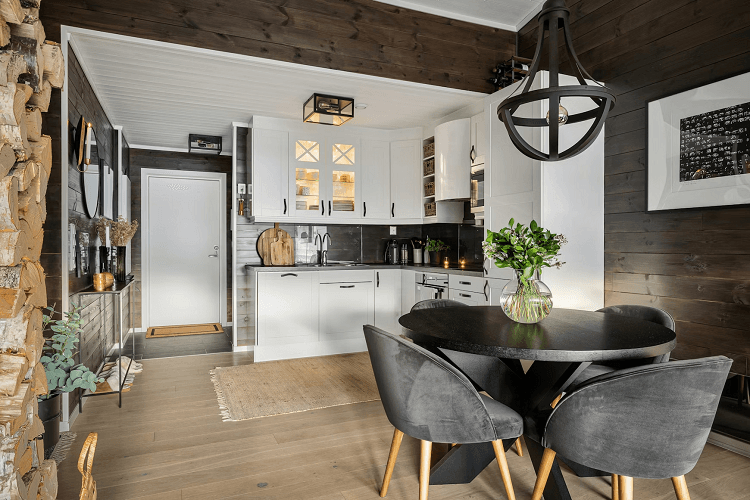
Small Space Modern German Kitchen Designs: Smart Storage and Minimalist Innovations

When it comes to modern German kitchen design, precision, innovation, and timeless aesthetics take center stage. German kitchens have long been synonymous with craftsmanship and functionality, blending sleek modernism with smart spatial planning. For interior designers working on compact residential projects, small-space German kitchen concepts offer a perfect balance between practicality and sophistication.
This article explores how the principles of smart storage and minimalist design define the new era of German kitchen aesthetics — and how they can be adapted for smaller homes without compromising on style or performance.
Smart Storage Solutions for Small Kitchens
One of the greatest challenges in small-space design is maximizing storage without overwhelming the layout. Modern German kitchen design solves this through a range of clever innovations that optimize capacity while maintaining aesthetic purity.
1. Vertical Utilization
German cabinetry often extends from floor to ceiling, using every vertical inch. Tall units with adjustable shelves and integrated pull-outs provide ample storage for dry goods, cookware, and small appliances — keeping counters clean and clutter-free.
2. Multi-Functional Cabinets
Pull-out pantries, corner carousel systems, and drawer organizers allow for efficient categorization and accessibility. Designers appreciate how these features reduce dead space and enhance the user experience.
3. Hidden Storage
Minimalist kitchens rely on visual cleanliness. Hidden compartments and seamless cabinet fronts disguise everything from utensils to trash bins, maintaining the sleek look that defines modern German kitchens.
4. Integrated Lighting
LED lighting within drawers and cabinets ensures functionality, even in compact areas. Ambient under-cabinet lighting enhances the perception of space while contributing to the luxurious ambiance.
Minimalist Design: Simplicity with Depth
The minimalist aesthetic in German kitchen design is not just about removing excess—it’s about perfecting simplicity. For interior designers, it provides a flexible foundation to combine elegance with personalization.
1. Streamlined Surfaces
Flat-panel doors, handleless cabinetry, and matte finishes deliver an uninterrupted visual flow. This creates an illusion of openness, an essential aspect of small-space design.
2. Neutral Color Palettes
Soft whites, greys, and wood tones dominate German kitchens, offering timeless appeal. Subtle contrasts—like a dark countertop on a light base cabinet—add sophistication without visual clutter.
3. Material Harmony
Engineered laminates, natural veneers, and composite stone countertops not only look refined but are also durable and low-maintenance—qualities ideal for compact, high-use kitchens.
4. Built-in Appliances
Integration is key. Compact ovens, induction cooktops, and concealed ventilation systems maintain a cohesive aesthetic while optimizing functionality.
The Role of Technology in Modern German Kitchens
Technology plays a vital role in enhancing small kitchen usability. From smart appliances to automated lighting, German kitchen manufacturers continue to set benchmarks for innovation.
- Smart storage tracking systems help homeowners manage pantry inventory.
- Touchless faucets and motion sensors improve hygiene and convenience.
- Compact, energy-efficient appliances maximize performance while conserving space.
- Smart home integration allows users to control lighting, ventilation, and appliances from a mobile device, promoting energy efficiency and comfort.
For interior designers, specifying such features not only adds modern appeal but also positions their projects as forward-thinking and sustainable.
Layout Considerations for Compact German Kitchens
Designing within tight parameters requires strategic planning. Common layouts that work exceptionally well for small spaces include:
- Galley Layout: Two parallel counters provide maximum efficiency for cooking and cleaning while maintaining clear workflow zones.
- L-Shaped Layout: Perfect for corner spaces, this configuration allows flexibility and easy appliance integration.
- U-Shaped Layout: Offers abundant storage and countertop surface area, ideal for micro-apartments with an open plan.
- One-Wall Layout: Common in studio apartments, this layout prioritizes vertical storage and seamless integration of appliances.
Regardless of layout, ergonomics and proportion remain fundamental to German design—ensuring every action in the kitchen is intuitive and comfortable.
Sustainability and Quality in German Kitchen Manufacturing
Another key advantage of modern German kitchen design lies in its sustainability focus. Manufacturers often emphasize:
- Use of eco-friendly materials and low-emission finishes.
- Precision manufacturing that minimizes waste.
- Longevity of design reduces the need for frequent renovations.
This commitment to environmental responsibility aligns perfectly with the expectations of modern homeowners and interior designers striving for sustainable living environments.
Conclusion
The evolution of modern German kitchen design proves that even the smallest spaces can achieve remarkable sophistication. Through intelligent storage, minimalist aesthetics, and advanced technology, these kitchens redefine efficiency and elegance.
OPPOLIA is a well-known furnishing manufacturer in Asia providing whole-house solutions, including custom kitchen cabinets, interior doors, wardrobes, bathroom vanities, aluminium windows, and furniture.
Learn more about OPPOLIA Home Collections and explore their innovative designs today!

[…] your finger along the top of a wall cabinet sometime. If it comes back feeling like you’ve touched the inside of a chip shop fryer, you’ve […]