
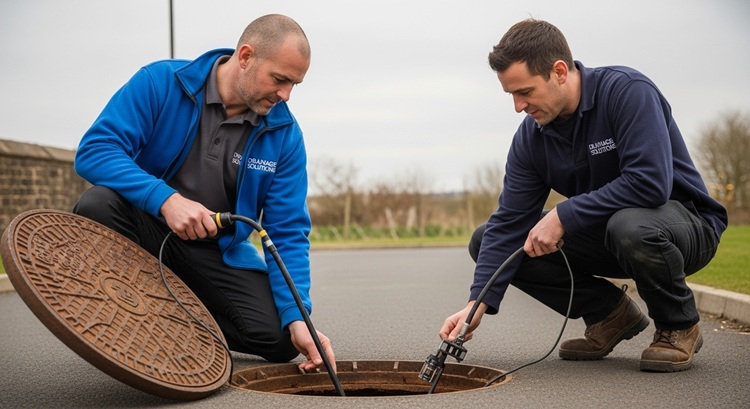

Drains are an essential yet often overlooked part of any home or commercial property. When they work well, they go unnoticed, but when problems arise, the impact can be disruptive, unpleasant and expensive. Blocked or slow drains can affect hygiene, comfort and even the structural condition of a building if left unresolved. Knowing how to care for your drainage system is key to avoiding unnecessary stress and repair costs.
Many property owners rely on Drainage Experts to assess and resolve underlying issues, but good drainage health also starts with everyday habits. By understanding how drains become blocked and what steps help maintain free flowing pipes, you can significantly reduce the risk of serious problems developing over time.
This guide outlines practical tips and professional insights to help keep your drains flowing smoothly throughout the year.
Understanding How Drain Problems Develop
Drain issues rarely appear suddenly. In most cases, blockages and damage build up gradually as waste materials collect inside the pipes. Kitchens and bathrooms are the most common trouble spots due to daily use and the types of materials that pass through them.
Common contributors to drain problems include grease, food waste, soap residue, hair and external debris. Over time, these materials cling to pipe walls, reducing water flow and increasing pressure within the system.
Recognising Early Warning Signs
Spotting drainage issues early can prevent major disruptions. Many homeowners overlook small changes, assuming they will resolve on their own. Unfortunately, delays often make matters worse.
Warning signs to watch for include:
• Water draining more slowly than usual
• Unpleasant smells coming from sinks or gullies
• Gurgling sounds from pipes or toilets
• Water backing up after heavy rainfall
• Damp areas near drainage routes
Addressing these signs promptly can prevent minor blockages from turning into serious failures.
Keep Grease and Food Out of the Sink
One of the most effective ways to protect kitchen drains is to control what goes down them. Grease and oils may appear harmless in liquid form, but they harden as they cool, sticking to pipe interiors and trapping other debris.
Best practices include:
• Wiping pans with kitchen roll before washing
• Disposing of cooking oil in sealed containers
• Using sink strainers to catch food scraps
• Avoiding rinsing starchy foods down the drain
These simple steps make a significant difference over time.
Prevent Bathroom Blockages
Bathroom drains are particularly vulnerable due to hair and soap build up. Even small amounts of hair can create stubborn blockages when combined with soap residue.
To reduce the risk:
• Use drain covers in showers and baths
• Remove visible hair regularly
• Avoid flushing wipes or sanitary products
• Clean plug holes as part of routine maintenance
Consistent care keeps bathroom drains clear and functional.
Maintain External Drains and Gullies
External drains are just as important as indoor systems. Leaves, dirt and litter can easily collect in gullies and covers, especially during autumn and winter.
Regular maintenance should include:
• Clearing leaves and debris from drain covers
• Checking for standing water after rain
• Ensuring covers are secure and undamaged
• Keeping surrounding areas free from soil build up
These checks help prevent surface flooding and water pooling near the property.
Be Mindful of Seasonal Changes
Seasonal weather can place additional strain on drainage systems. Heavy rain can overwhelm partially blocked pipes, while freezing temperatures may worsen existing cracks or weaknesses.
Preparing for seasonal changes involves:
• Clearing external drains before autumn
• Checking water flow during periods of heavy rain
• Addressing minor issues before winter sets in
Proactive care reduces the risk of sudden failures during challenging weather conditions.
Avoid Chemical Drain Cleaners
While chemical cleaners promise quick results, they often cause more harm than good. Harsh substances can damage pipes, especially older systems, and may not fully remove underlying blockages.
Instead, consider safer alternatives such as hot water flushing or professional assessment when problems persist. Long term drainage health depends on protecting pipe integrity, not just temporary fixes.
Schedule Professional Inspections
Even with careful maintenance, some issues cannot be detected without specialist equipment. Professional inspections allow problems to be identified early, often without disruption to the property.
Benefits of professional checks include:
• Early detection of cracks or misalignment
• Identification of root intrusion
• Accurate diagnosis without excavation
• Advice tailored to your drainage system
Routine inspections provide reassurance and help avoid unexpected emergencies.
Understand the Impact of Tree Roots
Tree roots are a common cause of recurring drain problems. They are naturally drawn to moisture and can enter pipes through tiny gaps, expanding over time and restricting flow.
If your property has mature trees nearby, professional monitoring is particularly important. Early intervention prevents extensive damage and costly repairs.
Act Quickly When Problems Arise
Delaying action is one of the most common mistakes property owners make. What starts as a slow draining sink can quickly escalate into flooding or pipe collapse if ignored.
Taking prompt action ensures:
• Minor issues are resolved before worsening
• Repair costs remain manageable
• Daily routines are not disrupted
• Property damage is minimised
Swift response is always more cost effective than emergency repair.
Protecting Property Value and Comfort
Well maintained drains contribute to the overall condition of a property. Persistent drainage problems can lead to damp, odours and even structural concerns, all of which reduce comfort and value.
Regular care supports:
• Healthy living environments
• Reliable plumbing performance
• Reduced maintenance expenses
• Long term property protection
Good drainage management is an investment in the future of your home.
Final Thoughts
Keeping drains flowing smoothly requires a combination of good habits, regular checks and professional support when needed. By understanding how blockages develop and taking preventative action, property owners can avoid the inconvenience and expense of major drainage issues.
With consistent care and timely intervention, your drainage system can remain efficient, reliable and trouble free for years to come.
