

High-traffic parts of your home put more strain on carpets than quieter spaces, increasing the risk of crushing, embedded grit, and visible wear. This article addresses which household areas require the most attention and describes practical maintenance strategies to help your carpet remain in good condition and comfortable underfoot for longer.
Many carpets face accelerated wear when placed in hallways, entryways, and family rooms where daily footfall is high. These zones are subject to constant pressure, tracked-in dirt, and moisture, all of which can shorten a carpet’s lifespan if left unmanaged. Good maintenance involves more than quick spill clean-ups; it helps prevent matting, premature fibre wear, and visible patterns developing over time. Carpets in St Helens, for example, benefit from a combination of preventative steps and careful cleaning to uphold their original texture and colour for as long as possible.
Recognising high-use zones and understanding wear
Identifying true high-traffic areas in your home sets the stage for effective carpet care. Places like stairs, doorways, corridors, and main living spaces are common hotspots, frequently showing signs of flattening and darker appearance before the rest of the carpeted floor.
Heavy traffic changes carpet pile direction and causes shading, while constant friction can push dirt deeper into fibres. Many people notice visible paths forming across busy routes, even on newer carpets, due to persistent movement and shifting patterns throughout the day.
Preventative steps to keep dirt and grit away
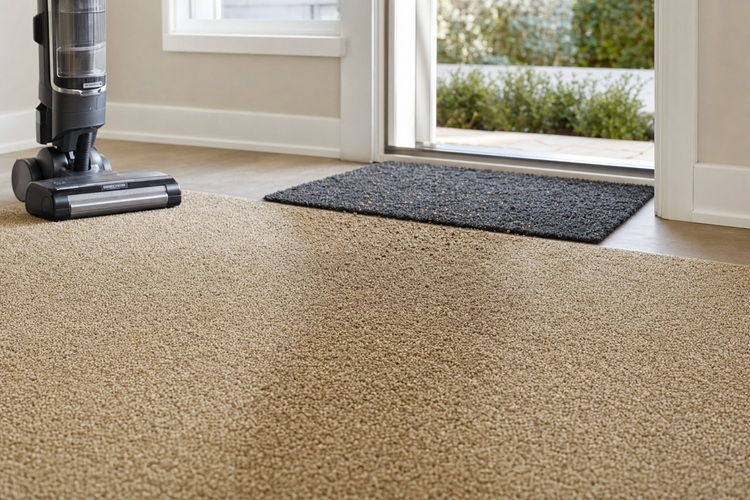
The fundamentals of preventative care provide long-lasting benefits. Placing door mats at all main entrances helps capture dirt and grit before they can be walked into the carpet pile, reducing the risk of abrasive particles damaging fibres over time.
Encouraging a shoe-off policy or keeping indoor slippers by the door further limits external contaminants and moisture from reaching carpeted areas. Consistently applying simple habits like these addresses the root causes of surface soiling and helps keep carpets looking fresh.
Vacuuming and interim care tailored to busy spaces
Vacuuming strategy is central to maintaining carpets in high-traffic zones. Using a vacuum with adjustable beater bars or brush heads that suit your carpet type, following manufacturer guidance when possible, helps lift away embedded dirt without harming the fibres. For cut-pile carpets, a rotating brush may remove grit effectively, but loop-pile surfaces typically require suction only to avoid causing damage.
High-traffic areas may benefit from vacuuming several times each week, as both footfall and airborne dust settle quickly. Consistency reduces dirt accumulation, which can otherwise cause gradual wear beneath the surface and shorten your carpet’s usable life. In some households, especially where pets and children are present, daily vacuuming may be justified.
Spills and stains are unavoidable, so swift spot-cleaning is a necessity. Begin by blotting gently with a dry, absorbent towel rather than scrubbing, and avoid soaking the area with water. Specialised neutral carpet cleaners can be helpful, but it is generally best to avoid harsh chemicals that might set stains or damage fibres. Spot cleaning as soon as possible lessens the chance of lasting marks or discolouration, and careful attention can help maintain the carpet’s integrity.
Periodic deep cleaning and appearance management
Deep cleaning contributes to the longevity of carpets in high-traffic areas. Hot water extraction is often recommended every six to twelve months, based on the level of household activity and carpet type, to remove residues that routine vacuuming may not reach. For delicate or moisture-sensitive carpets, low-moisture methods such as encapsulation may be more appropriate and can help prevent prolonged drying times.
Rug rotation and the use of runners distribute pressure and sunlight more evenly, while moving furniture periodically discourages obvious marks or pathways. Over time, matting and shading may be reduced by these small adjustments, potentially delaying the need for modifications such as repadding or re-stretching. For pet owners or allergy sufferers, odour control and regular removal of hair and dust are especially important and can help maintain a healthier environment without resorting to aggressive treatments.
By establishing a routine that combines preventative care, responsive cleaning, and periodic deep cleansing, you protect your carpet investment. Following these maintenance steps can help your high-traffic areas remain comfortable and attractive through daily use.
