
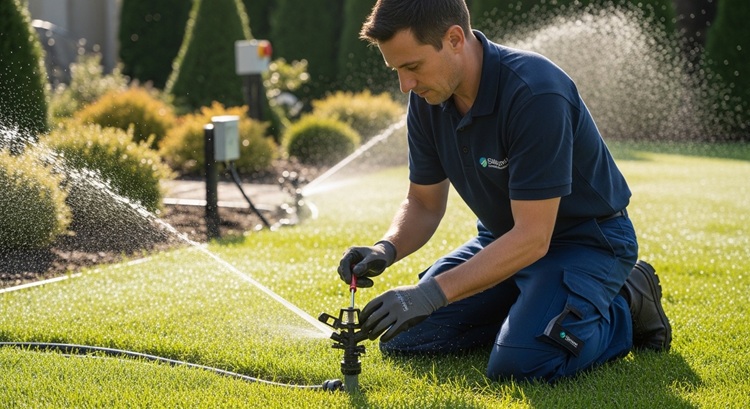

Watering systems are often judged by how well they perform in peak season, when plants are growing fast, temperatures are higher and dry spells put pressure on the landscape. What tends to get less attention is the quieter work that keeps those systems dependable over time. That is why irrigation system maintenance matters so much. It is rarely about dramatic repairs. More often, it is about catching smaller issues before they affect coverage, efficiency or the long-term health of the system.
This is especially important because most irrigation problems do not begin with a complete failure. They start gradually. A sprinkler head shifts slightly out of alignment. A section begins to lose pressure. A valve sticks intermittently rather than stopping altogether. These kinds of issues are easy to miss at first, particularly when the system still appears to be operating.
Small Faults Rarely Stay Small for Long
One of the main reasons servicing matters is that minor faults tend to create knock-on effects. A blocked nozzle or damaged emitter does not just affect one small point in the system. It can alter distribution patterns, create dry patches in one area and overwater another. If left unresolved, that uneven performance can affect planting quality and gradually undermine the purpose of the system itself.
Pressure-related issues create similar problems. A drop in performance may seem minor on the surface, but over time it can lead to inconsistent watering, wasted water and unnecessary strain on components working harder than they should. Because irrigation systems are interconnected, one neglected issue often influences the wider setup.
This is where regular servicing proves its value. It allows these smaller faults to be identified while they are still straightforward to correct, before they create wider inefficiencies or more expensive repair work.
Efficiency Depends on Accurate Performance
An irrigation system is only truly effective when it distributes water in the right place, at the right time and in the right quantity. Once performance begins to drift, even slightly, the benefits of the original design begin to weaken.
Servicing helps maintain that accuracy. It ensures sprinkler heads are working as intended, drip lines remain clear, timers are functioning properly and settings still match the needs of the landscape. Seasonal changes matter too. What worked well in one part of the year may no longer suit the demands of another.
Without maintenance, systems often continue running on outdated assumptions. Schedules remain unchanged, wear goes unnoticed and parts slowly lose reliability. The system may still operate, but it no longer performs in the way it was designed to.
Preventative Care Protects More Than the System
The value of maintenance is not limited to the irrigation system itself. The surrounding landscape depends on reliable watering patterns, especially during dry weather or in commercial settings where presentation matters.
Underwatering can stress lawns, borders and planted areas, while overwatering can be just as damaging, encouraging shallow root growth, waterlogging and unnecessary waste. In both cases, the visible signs often appear after the underlying issue has already been present for some time.
Regular servicing helps protect the landscape from these avoidable fluctuations. It supports healthier growth, steadier performance and a more dependable relationship between the system and the environment it is meant to support.
Avoiding Disruption During Peak Demand
Problems with irrigation systems tend to become most noticeable when the system is needed most. A fault that seemed insignificant during a milder period can become much more serious during a sustained dry spell or in the height of the growing season.
That timing matters. Repairs carried out under pressure are often more disruptive, more urgent and less convenient than planned servicing. They may also come at a point when the landscape is already showing signs of stress, making recovery slower and more visible.
Preventative maintenance reduces the chance of these peak-season disruptions. It gives issues less opportunity to escalate and helps ensure the system is ready to perform when demand increases.
Long-Term Reliability Comes From Ongoing Attention
Irrigation systems are not static installations that can simply be left indefinitely once they are in place. Like any outdoor system exposed to seasonal change, wear and regular use, they perform best when checked, adjusted and maintained at sensible intervals.
That attention does not need to be dramatic to be valuable. In fact, the most useful maintenance is often the least noticeable from the outside. It keeps things aligned, efficient and dependable, preventing the kind of visible problems that only appear once performance has already slipped.
In practical terms, regular servicing is less about fixing what is broken and more about preserving what is working. That makes it one of the most effective ways to avoid larger problems, protect the landscape and keep the whole system delivering the results it was installed to achieve.
