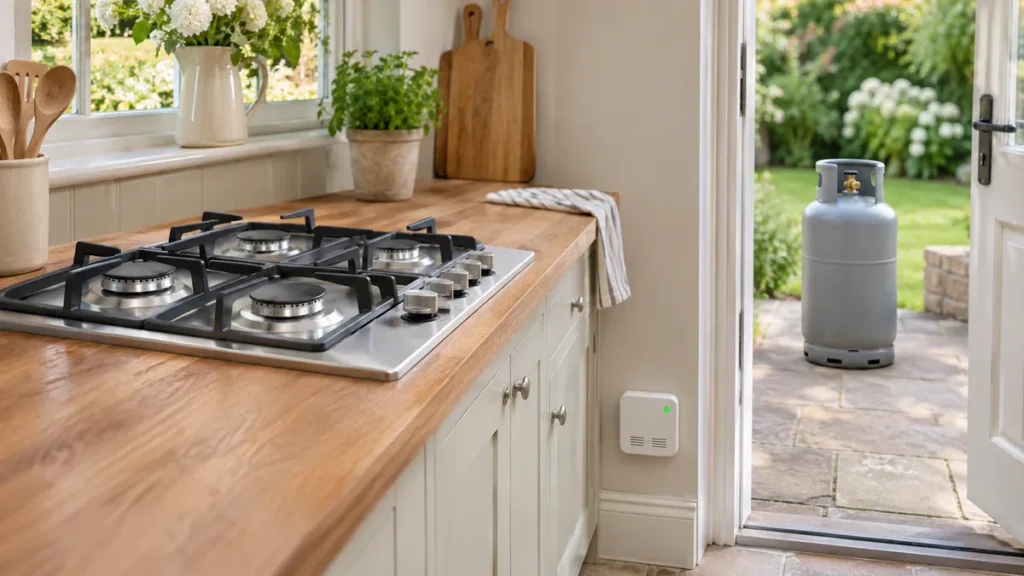

Propane is a commonly used fuel in homes for heating, cooking, water heaters, fireplaces, and outdoor appliances. It is efficient, convenient, and relatively easy to store. However, propane leaks can create serious safety risks if they are not identified quickly. One of the most important things homeowners should understand is how propane smells and what to do when they notice an unusual odor inside their property.
Table of contents8 sections
- What Does Propane Smell Like in a House?
- Why Does Propane Have a Rotten-Egg Smell?
- Common Signs of a Propane Leak Inside Your Home
- What to Do If You Smell Propane in Your House
- Why You Might Not Smell a Propane Leak
- How to Prevent Propane Leaks in Your Home
- What Does Propane Smell Like in a House? Understanding the Warning Signs
- Frequently Asked Questions (FAQs)
- 1. Does propane smell like rotten eggs?
- 2. Is the smell of propane dangerous?
- 3. Can propane smell disappear even if there is a leak?
- 4. Does propane rise or sink inside a house?
- 5. Can a propane detector identify a leak?
- 6. Should I turn off the propane tank if I smell gas?
- 7. Can a propane leak make you feel sick?
- 8. Who should inspect a suspected propane leak?
Unlike some household gases, propane has a distinctive smell added intentionally to make leaks easier to detect. Recognizing this smell can help protect your family, prevent fires, and reduce the risk of dangerous gas exposure.
If you suspect a propane leak right now, leave the house immediately. Do not operate electrical switches, use flames, or attempt to locate the leak. Once you are safely outside, contact your propane supplier or emergency services.
What Does Propane Smell Like in a House?
Propane naturally has no smell in its pure form. For safety reasons, manufacturers add a chemical called ethyl mercaptan, also known as ethanethiol. This odorant gives propane its recognizable warning smell.
Most people describe the smell as similar to:
- Rotten eggs.
- Sulfur or spoiled cabbage.
- A skunk’s spray.
- Strong, unpleasant chemical odors.
The rotten-egg smell is probably the most common description. It can be particularly noticeable near propane appliances, gas pipes, storage tanks, or areas where gas may be escaping.
The odor can sometimes seem stronger in enclosed spaces because gas may accumulate in areas with poor ventilation. However, never stay inside to investigate how strong the smell is.
Why Does Propane Have a Rotten-Egg Smell?
Propane suppliers add an odorant because naturally occurring propane cannot be detected by human smell. Without this added chemical, homeowners might not recognize a leak until it becomes a serious emergency.
Ethyl mercaptan creates a powerful smell that people can often recognize even when relatively small quantities of propane are present.
This safety feature is particularly important in homes that use propane-powered appliances. A leaking connection, damaged hose, faulty regulator, or malfunctioning appliance can release gas without producing obvious visual signs.
However, smell should never be treated as a perfect leak detector. Some people have difficulty detecting propane odors, and odor intensity can change over time.
Common Signs of a Propane Leak Inside Your Home
Although the smell is the most recognizable warning, other signs may indicate that propane is escaping from your household gas system.
1. A Hissing or Whistling Sound
A damaged gas line, loose fitting, or faulty connection may produce a hissing sound. If you hear this near a propane appliance or gas pipe, leave the property and report the suspected leak.
2. Unusual Appliance Performance
A propane-powered stove, furnace, or water heater that suddenly stops working properly may indicate an equipment problem. Although poor performance does not automatically mean there is a leak, it deserves professional attention.
3. Dead or Discolored Vegetation
If an underground propane line is damaged, nearby plants may become discolored or die. This is not proof of a propane leak, but it can be a warning sign when combined with other unusual observations.
4. A Propane Detector Alarm
A propane detector can identify gas even when someone cannot smell it. If the alarm sounds, treat it as an emergency. Leave immediately rather than approaching the detector to investigate.
What to Do If You Smell Propane in Your House
Knowing the correct response can make a significant difference during a suspected gas leak. Propane is highly flammable, and an ignition source can cause a fire or explosion.
Follow these essential safety steps:
- Leave immediately: Get everyone, including children and pets, outside and away from the suspected leak.
- Avoid electrical switches: Do not turn lights, fans, appliances, or other electrical equipment on or off.
- Avoid open flames: Do not smoke, light matches, operate a stove, or use candles.
- Do not use your phone indoors: Wait until you are safely away before making an emergency call.
- Contact professionals: Call your propane supplier, local fire department, or emergency services from a safe location.
- Stay outside: Do not return until emergency responders or a qualified propane professional confirm that the property is safe.
Do not attempt to locate the leak, repair a damaged pipe, or test the connection yourself. Even if the smell disappears, the danger may remain.
These precautions are consistent with guidance from the Propane Education & Research Council (PERC).
Why You Might Not Smell a Propane Leak
One important safety issue is that not everyone can recognize propane odor. Several factors can make a leak harder to detect.
Odor fatigue: When someone is exposed to the same smell for an extended period, their nose may become less sensitive to it.
Blocked sense of smell: Colds, allergies, sinus congestion, and certain medical conditions can reduce a person’s ability to recognize odors.
Odor loss: Under certain conditions, the chemical odorant added to propane can become less noticeable after interacting with materials such as soil, rust, or water.
Poor air circulation: Propane is heavier than air and can accumulate in lower areas, including basements and low spaces, rather than spreading evenly throughout a building.
For these reasons, never rely exclusively on your sense of smell to identify a gas leak.
How to Prevent Propane Leaks in Your Home
Preventive maintenance is an important part of responsible home improvement. Homeowners can reduce propane-related risks by maintaining their appliances and gas connections.
Consider these practical precautions:
- Schedule regular inspections with a qualified propane technician.
- Replace damaged or aging gas hoses and fittings.
- Keep propane cylinders upright and away from excessive heat.
- Never store propane cylinders inside enclosed living spaces.
- Install approved propane gas detectors according to manufacturer instructions.
- Keep gas pipes and appliance connections protected from physical damage.
- Follow the maintenance recommendations provided by appliance manufacturers.
A propane detector is particularly useful because it provides an additional warning when someone cannot detect the odor. Remember that propane detectors, smoke alarms, and carbon monoxide detectors serve different purposes. One does not replace the others.
What Does Propane Smell Like in a House? Understanding the Warning Signs
If you have ever wondered what does propane smell like in a house, the most important thing to remember is its distinctive rotten-egg or sulfur-like odor. This smell is deliberately added to otherwise odorless propane to help people recognize a possible leak.
Homeowners should never ignore unusual gas odors, hissing sounds, or propane detector alarms. Taking immediate action, leaving the property, and contacting qualified professionals are essential steps toward protecting your household.
Good home maintenance is not just about improving appearance and comfort. It also means understanding potential hazards and making sure household systems operate safely.
Frequently Asked Questions (FAQs)
1. Does propane smell like rotten eggs?
Yes. Propane is naturally odorless, but an odorant called ethyl mercaptan is added to give it a strong smell resembling rotten eggs, sulfur, or a skunk.
2. Is the smell of propane dangerous?
The smell itself is a warning sign rather than the main danger. Escaping propane is highly flammable and can create a fire or explosion hazard. Leave immediately if you suspect a leak.
3. Can propane smell disappear even if there is a leak?
Yes. Odor fatigue and odor loss can make propane harder to detect. Never assume a leak has stopped simply because the smell disappears.
4. Does propane rise or sink inside a house?
Propane vapor is heavier than air, so it can collect near floors and in low-lying areas. This makes basements and enclosed lower spaces particularly important to consider.
5. Can a propane detector identify a leak?
Yes. A properly installed propane detector can alert homeowners when propane is detected, even if they cannot smell it. Follow the manufacturer’s installation and maintenance instructions.
6. Should I turn off the propane tank if I smell gas?
Your first priority should be leaving the property. Do not approach a suspected leak to operate a valve. Only turn off the supply if it can be done safely without entering or remaining in the affected area.
7. Can a propane leak make you feel sick?
A high concentration of propane can displace oxygen and cause symptoms such as dizziness, headache, nausea, and breathing difficulties. Seek emergency medical assistance if anyone experiences these symptoms following suspected exposure.
8. Who should inspect a suspected propane leak?
Contact your propane supplier, emergency responders, or a qualified propane technician. Do not attempt DIY gas-line repairs.