
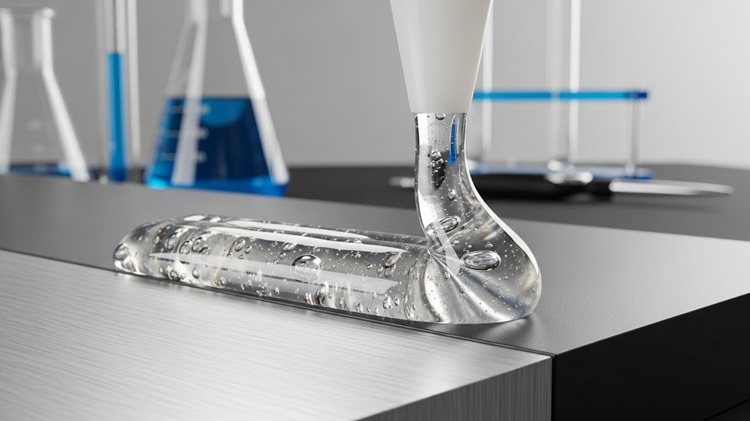

If you walk onto any modern construction site, you’ll notice something different in the adhesive arsenal. Contractors who once swore by polyurethane or silicone are reaching for products labeled “hybrid” instead. This isn’t just another marketing trend – it’s a fundamental shift in how professional builders approach bonding challenges.But what exactly makes hybrid adhesives different?
What Makes an Adhesive “Hybrid”?
Traditional adhesives rely on single-chemistry formulations. Polyurethane uses urethane chemistry, silicone uses siloxane polymers, and acrylics use acrylic monomers. Each has strengths, but also significant limitations that contractors have learned to work around.
Hybrid adhesives change this equation entirely. They combine multiple adhesive technologies – typically MS Polymer (Modified Silane) chemistry with other systems – to create products that capture the best characteristics of different adhesive types while eliminating their weaknesses.
The MS Polymer Advantage
MS Polymer technology forms the backbone of most modern hybrid adhesives, including the POINT hybrid range. This chemistry cures through a reaction to moisture like silicone, but creates molecular bonds more similar to polyurethane systems.
The result is remarkable versatility. MS Polymer adhesives bond to virtually any substrate without primers – concrete, metal, wood, plastics, glass, even painted surfaces. Traditional systems often require expensive primers or surface treatments for reliable adhesion.
Curing characteristics also improve dramatically. Unlike polyurethane adhesives that release CO2 gas during cure (potentially causing bubbles), or silicones that release acetic acid (limiting substrate compatibility), MS Polymer systems produce only alcohol vapor that evaporates cleanly.
Temperature Performance That Actually Works
Traditional adhesives often struggle with temperature extremes. Polyurethanes often can become brittle in cold weather, while many acrylics soften in high heat. Silicones handle temperature well but sacrifice bonding strength.
Hybrid formulations maintain flexibility across broader temperature ranges. POINT Express Glue HIGH TACK performs reliably from -40°C to +80°C, making it suitable for both Arctic installations and desert construction projects.
This temperature stability comes from the molecular structure. MS Polymer chains remain flexible at low temperatures while cross-linking density prevents softening at high temperatures. Traditional single-chemistry systems struggle to balance both characteristics without trade-offs.
Enhanced Chemical Resistance Across Common Substrates
Industrial environments present unique bonding challenges. Exposure to solvents, oils, cleaning chemicals, and aggressive substances quickly degrades traditional adhesives.
Hybrid chemistry provides superior chemical resistance without the application limitations of traditional high-performance systems. Unlike some polyurethanes that require moisture-free surfaces, or silicones that won’t bond to many substrates, hybrid adhesives maintain their chemical resistance while offering broad substrate compatibility.
POINT 188 EPDM & Rubber hybrid adhesive exemplifies this advantage. It handles aggressive roofing chemicals while bonding reliably to rubber membranes, concrete substrates, and metal flashings – applications that typically require multiple specialized products.
The Paintability Problem Solved
One of the biggest limitations of traditional silicone adhesives is paintability. Most silicones reject paint, creating maintenance headaches when color matching or refinishing is required.
Hybrid adhesives cure to surfaces that accept most architectural coatings. This paintability advantage makes them ideal for visible applications where aesthetic considerations matter as much as performance.
The molecular structure allows paint penetration and adhesion while maintaining the flexibility and weather resistance that made silicones attractive in the first place. It’s a genuine best-of-both-worlds solution.
Substrate Compatibility: The Universal Solution
Perhaps the most significant advantage of hybrid technology is substrate compatibility. Traditional adhesive selection often resembles a complex matching game – this chemistry for metal, that formula for concrete, another system for painted surfaces.
Hybrid adhesives simplify material selection. POINT 120 CLEAR POWER bonds reliably to glass, aluminum, concrete, painted surfaces, and plastics without primers—just ensure surfaces are clean and free of dust and grease for optimal results.
The broad compatibility comes from the molecular design. MS Polymer chemistry includes functional groups that interact favorably with both polar and non-polar surfaces, creating reliable bonds across diverse material types.
Specification Guidelines for Professionals
When specifying hybrid adhesives for construction projects, consider:
Performance Requirements: Define load requirements, environmental exposure, and service life expectations. Hybrid technology offers improved performance under challenging conditions where traditional systems might fail.
Substrate Compatibility: List all materials requiring bonding. Hybrid systems often eliminate primer requirements and reduce the number of different products needed.
Application Conditions: Consider temperature ranges, humidity levels, and workspace constraints. Hybrid formulations often provide broader application windows than traditional alternatives.
Maintenance Access: Factor in long-term serviceability. Hybrid adhesives often provide extended service life, reducing maintenance frequency and access requirements.
The construction industry’s shift toward hybrid adhesives reflects real performance advantages, not marketing hype. As building systems become more complex and performance requirements more demanding, the versatility and reliability of hybrid technology increasingly outweigh the modest cost premium.
Traditional adhesive systems served the industry well for decades, but hybrid technology represents a genuine advancement. For contractors ready to simplify their adhesive inventory while improving project outcomes, the choice becomes clear.
